
Minima-“list”
Never used watercolor? No problem—neither had I. Watercolor wasn’t a medium we used much in art class, and if we did, it was usually those chalky circular palettes made for children (you know the ones). It wasn’t until I was a medical resident that I began searching for an art medium that was smaller, cleaner, and more approachable than oil paint. That’s when I decided to give watercolor a try—and I haven’t looked back since. I fell in love.
It can be overwhelming to choose supplies when you are first beginning. There are countless paint colors, palettes, brushes, and paper types. I am going to give you a breakdown of my personal “must haves” to get start on your watercolor journey! This is coming straight from the heart of a woman who was in the middle of internal medicine residency — when time and money were of utmost importance! I will give you my minimal list of supplies to get you started — the ones I would choose if I were starting anew. Best of all, these supplies will last a long time and will grow with you as your continue your art journey.
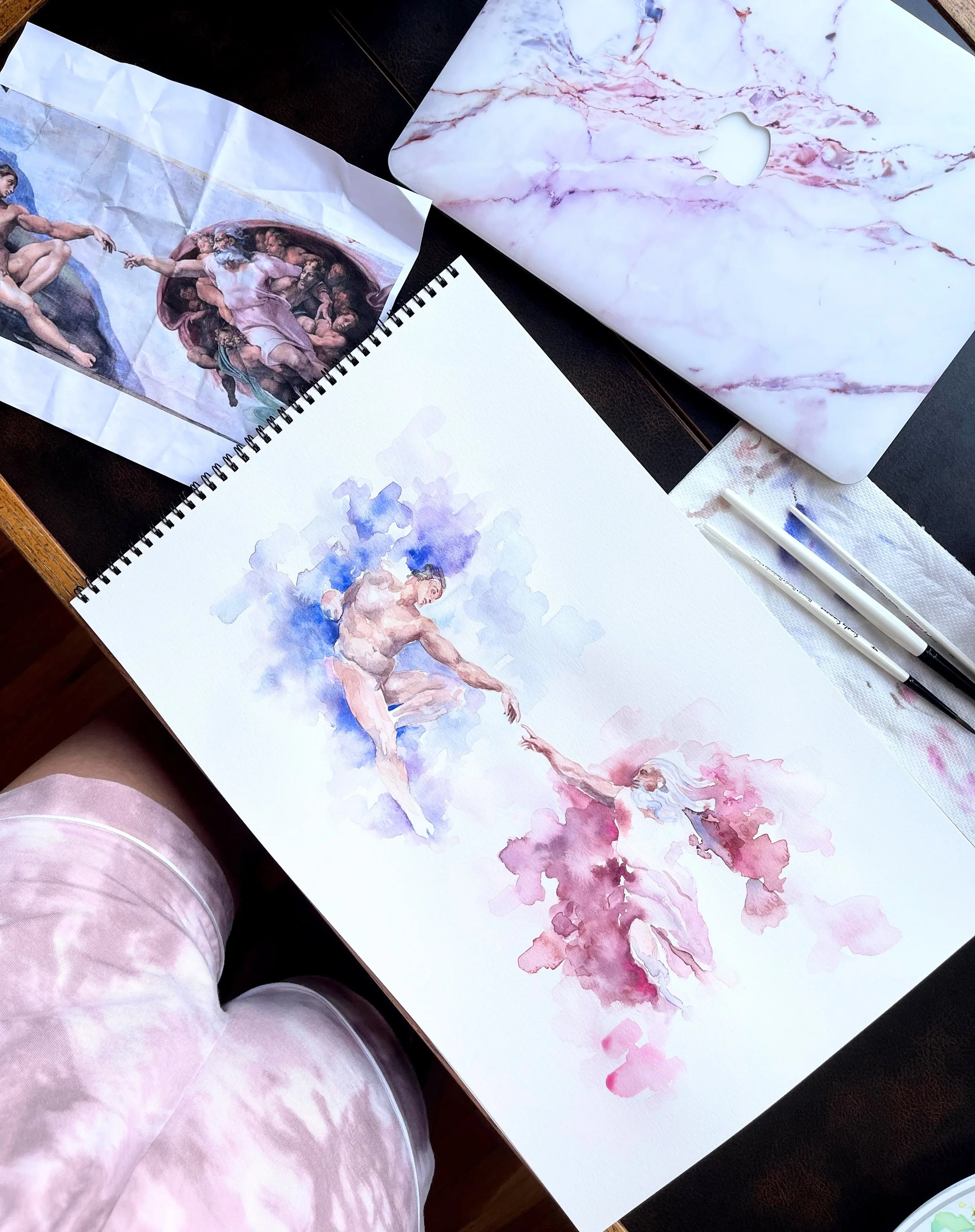
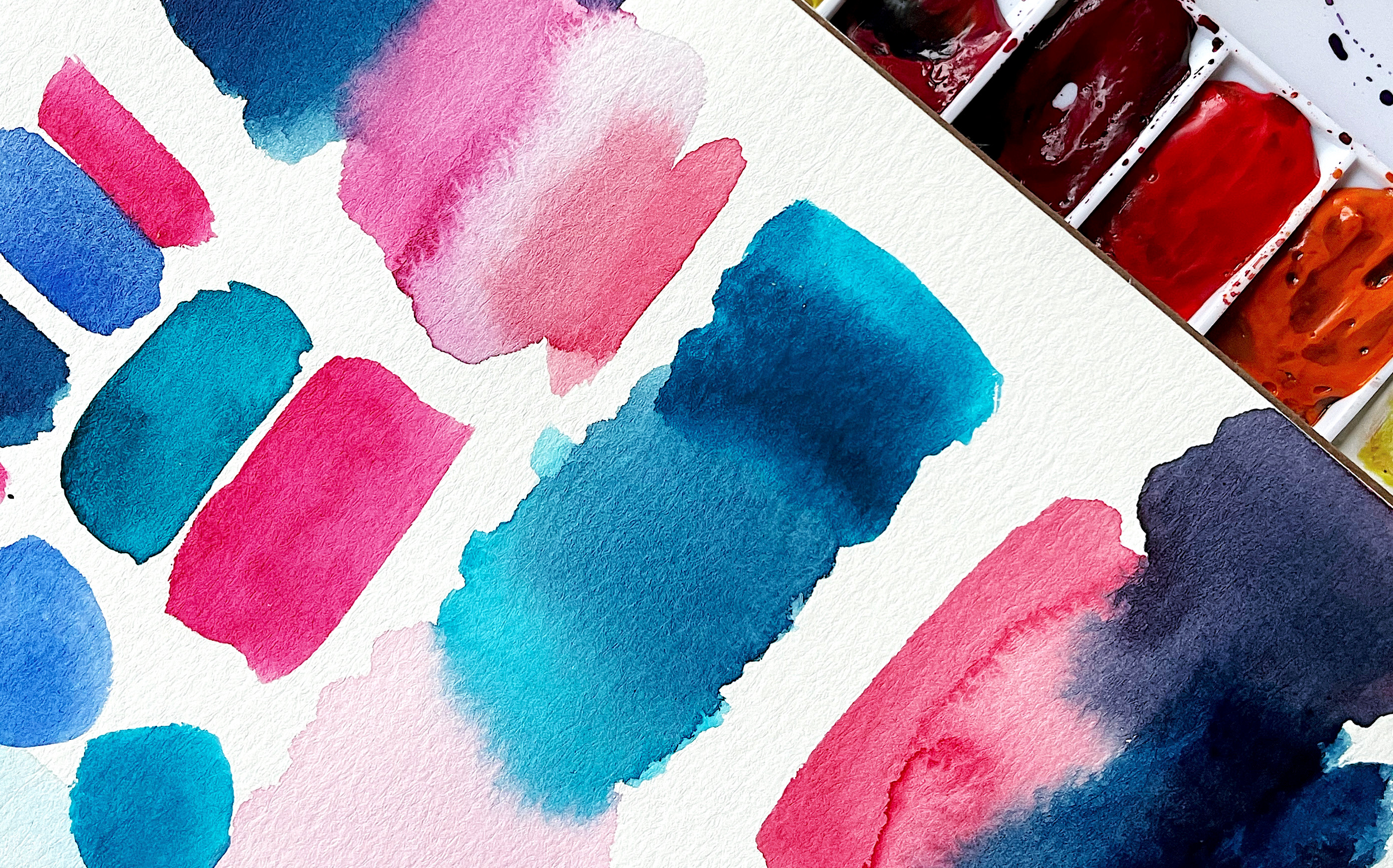
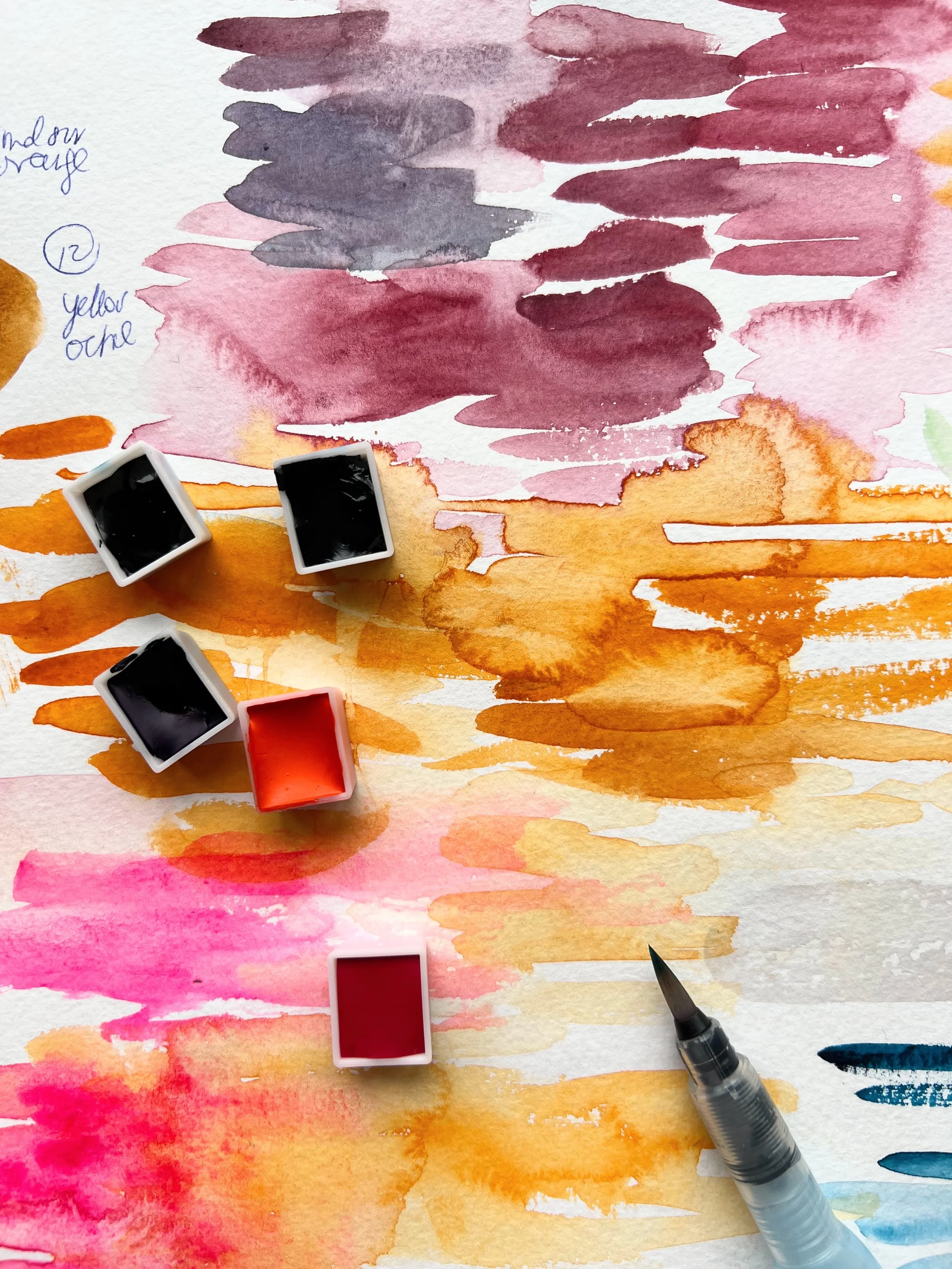
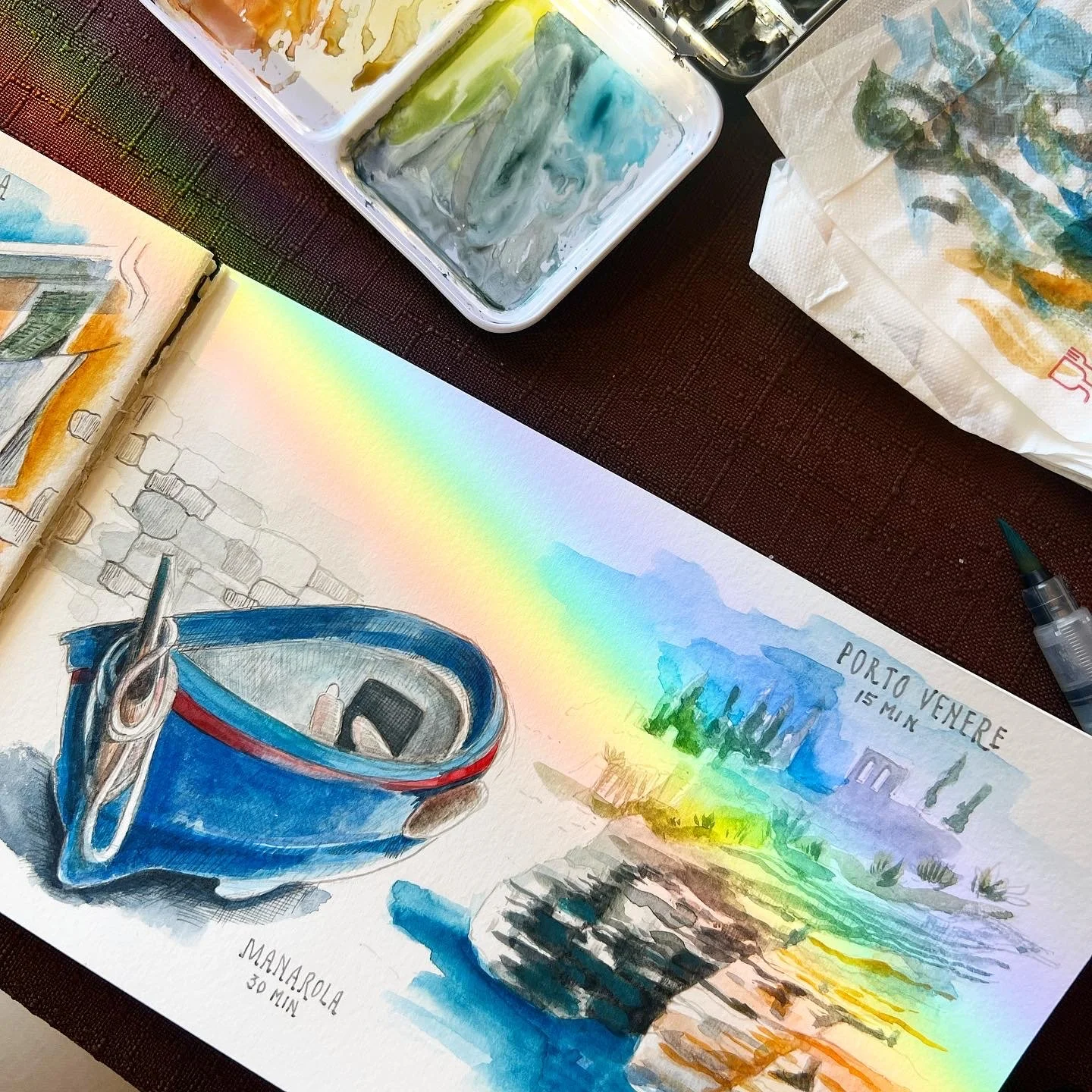
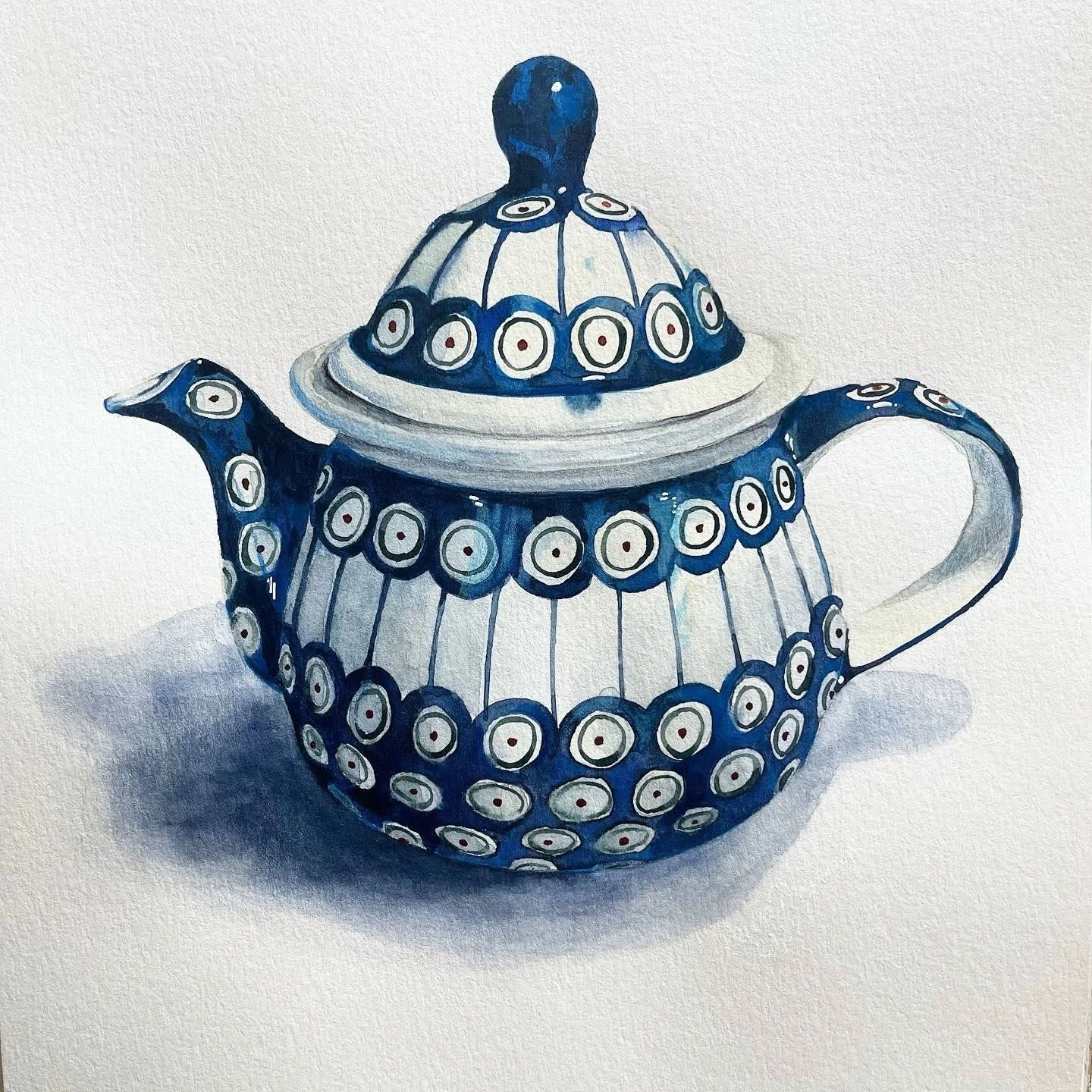
First, a word about investing. I mentioned those cheap, chalky watercolor palettes that are nearly impossible to work with. I encourage you—yes, even as a beginner—to invest in higher-quality paint and paper. I promise that putting a little money into good supplies (even on a resident’s salary) will elevate your work and make the entire process far more enjoyable. Quality materials also last longer, meaning you can get away with fewer of them. In watercolor, quality always matters more than quantity.
Paint
In 2020, I chose Winsor & Newton professional-grade watercolor paints and have used them ever since. There are many excellent brands to choose from—Daniel Smith, Schmincke, Holbein, and others—but the key is selecting paint that is truly high quality. Paint of this caliber is vibrant, lightfast, and spreads beautifully across the paper.
There are two ways of buying paint: purchasing a pre-selected palette OR choosing individual colors. I prefer the latter. Selecting your own colors allows you to build a palette that truly represents you. As you learn and grow, you’ll discover which colors you rely on most and naturally gravitate toward.
There are so many colors to choose from but trust me you do not need them all. If you want a palette versatile enough to paint landscapes, portraits, still lifes, florals, waterscapes, and urban scenes, these are the top seven colors I recommend.
French Ultramarine, Winsor Blue, Cadmium Free Yellow, Winsor Lemon, Vandyke Brown, Winsor Red, Quinacridone magenta
*Keep in mind that I have developed my palette further and rely on other favorite colors - these seven are chosen to give you “the most bang for your buck” when you are beginning to learn!
Brushes
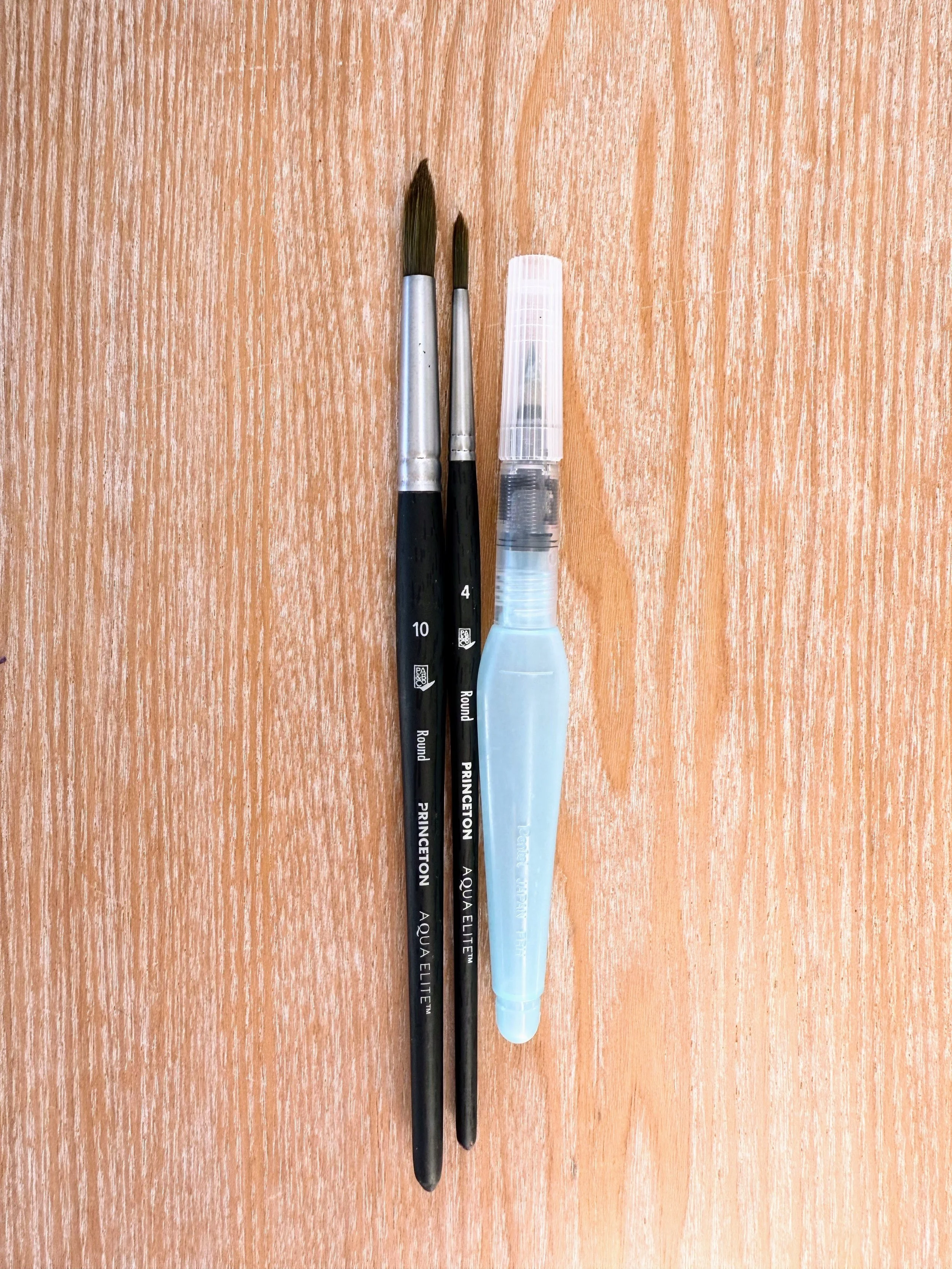
Believe it or not, you only need two brushes to get started. I created many of my earliest paintings with just two, and as you grow, you can always expand your collection.
I recommend two round brushes (one larger, one smaller for detail work). You can learn an incredible number of techniques with just these tools—washes, layering, fine details, and more. In fact, starting with fewer brushes allows you to explore watercolor more deeply, since the tools remain a fixed constant as you learn. The only small caveat is that you’ll need to work on a smaller scale—typically no larger than 9 × 12 inches. This is simply because large, smooth washes are harder to achieve with these brushes.
Bonus brush: a water fillable travel brush!
Paper
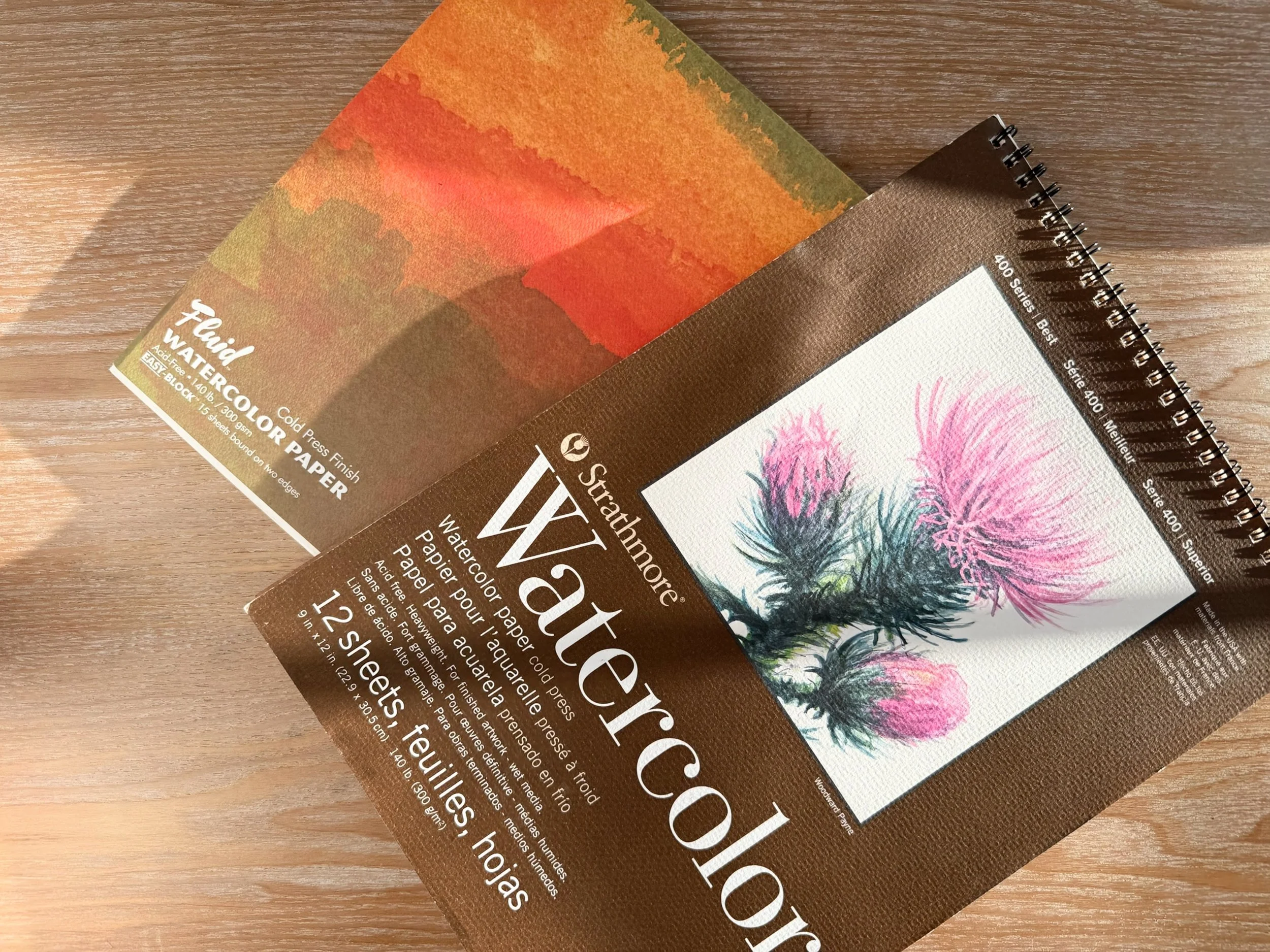
Just like paint, paper matters. The three key factors to consider are thickness, texture, and acidity. To keep things simple, look for paper that is thick enough (a minimum of 140 lb), textured but not overly rough (cold-press is ideal), and acid-free, which helps prevent yellowing over time.
Two beginner-friendly brands I recommend are Strathmore and Fluid. Both offer high-quality, cold-press, acid-free paper in a variety of sizes—at a price point that’s accessible for beginners. I’ve created countless paintings using both.
When starting out, I recommend limiting your paper size to 9 × 12 inches. This gives you plenty of space to practice and create beautiful work without moving into larger formats that require different techniques—and often come with added frustration.
Bonus: Consider a travel sketchbook. My favorite is by Moleskine.
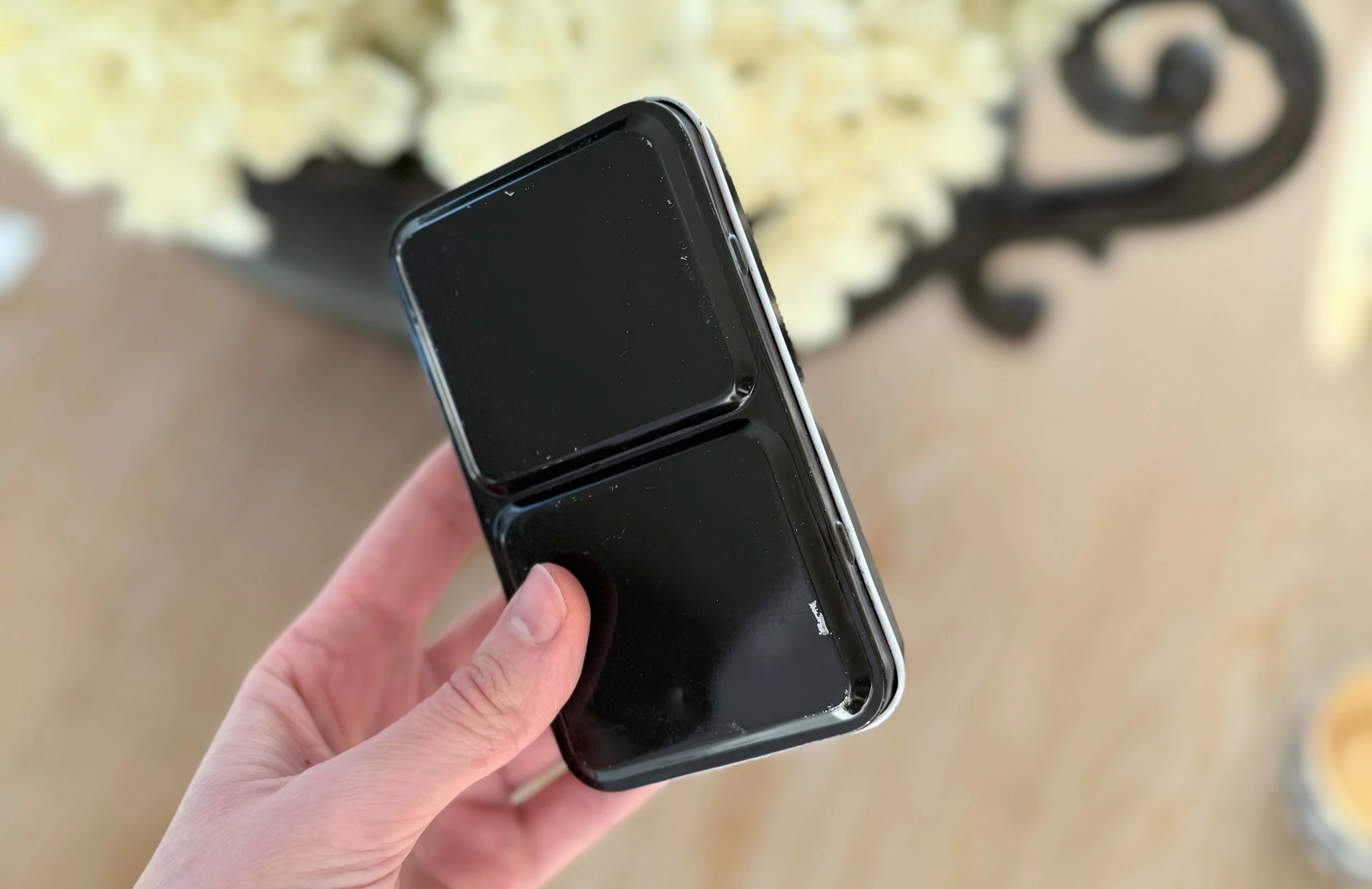
Palette
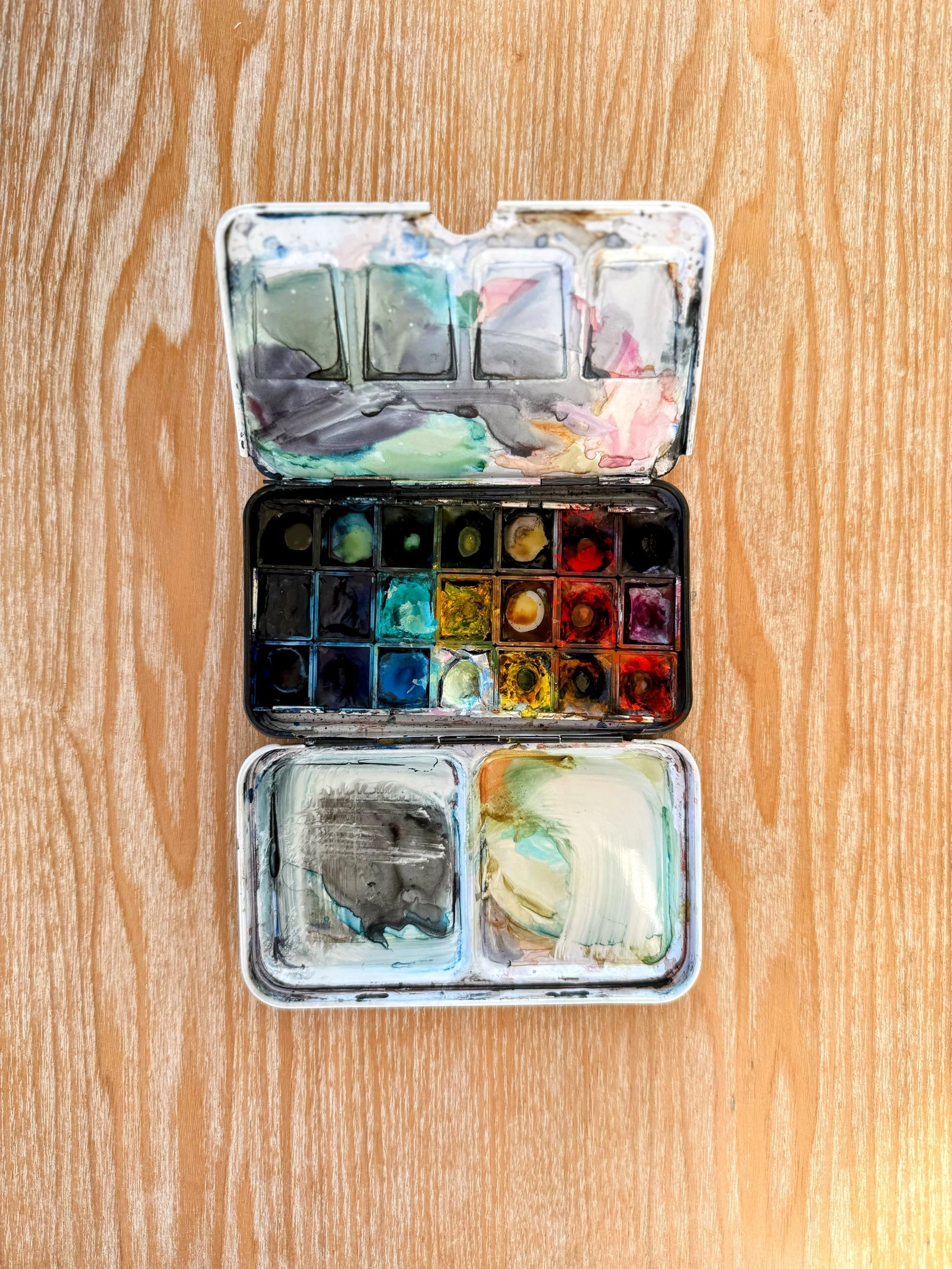
If I could only choose one palette, it would be this one—hands down. This type of palette (available from several brands) is metal and holds up to 21 half pans—the small plastic compartments you fill with your chosen paint colors. It’s compact, requires no setup each time you paint, and travels incredibly well. To this day, I can’t help but smile every time I open mine.
*fun fact: these tin palettes are marketed for 12 colors but you can fit up to 21 like in my photo above!
The Minima“list” - must haves to get started!
Paint: Winsor and Newton professional grade tube paint (shop here)
Brushes: Princeton round brushes (shop here)
Paper:
Strathmore (shop here)
or Fluid (shop here)
Palette: Metal tin palette (shop here)
Other: glass jar, paper towels
Bonus points: Pentel travel brush, Moleskine travel sketchbook, Washi tape (for crisp white borders)
